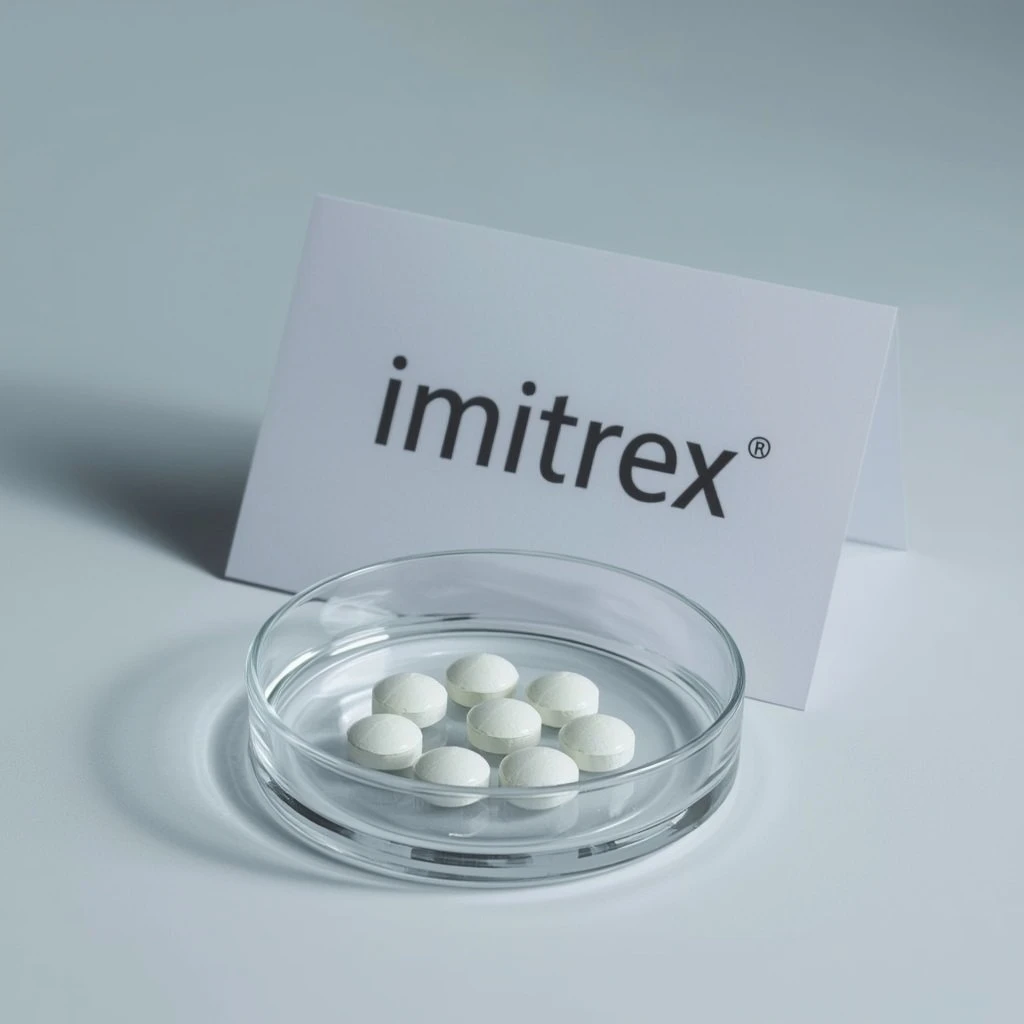
Imitrex is primarily used for the acute treatment of migraine attacks, with or without aura, in adults who have a clear clinical diagnosis of migraine. It does not prevent migraines from occurring; instead, it is taken at the first sign of an attack to stop the migraine from progressing and to reduce symptoms like throbbing head pain, nausea, vomiting, and sensitivity to light and sound. Imitrex is also indicated for the treatment of cluster headaches, a severe form of headache that occurs in cyclical patterns or “clusters” and can be extremely debilitating.
As a triptan (the brand name for sumatriptan), Imitrex works by selectively binding to serotonin (5‑HT1B/1D) receptors in cranial blood vessels and nerve endings. During a migraine, blood vessels in the brain become dilated and inflamed, contributing to pain and other symptoms. Imitrex helps by constricting these blood vessels back toward normal size and inhibiting the release of inflammatory neuropeptides. This dual action interrupts the migraine cascade, often leading to significant relief within 2 hours for many patients, sometimes much sooner, especially with the injection or nasal spray forms.
Imitrex is not intended for tension headaches, sinus headaches, or other non‑migraine pain, and it is not a general pain reliever. It is most effective when patients carefully track their migraine patterns and use the medication as soon as they notice early warning signs, such as aura, neck tightness, or subtle head pressure. For individuals who suffer from unpredictable, disabling migraine or cluster headache episodes, having Imitrex readily available can be life‑changing, restoring the ability to work, parent, and engage in daily activities with more confidence and control.
Imitrex is available in several formulations: oral tablets, nasal spray, and subcutaneous injection. The appropriate dosage and route depend on the severity and speed of onset of your migraines or cluster headaches, as well as your medical history. Always follow your healthcare provider’s instructions and the specific product labeling, as exact strengths and maximum doses can vary by formulation and country.
For adults using Imitrex tablets for migraine, a common starting dose is 25 mg, 50 mg, or 100 mg taken by mouth at the onset of migraine symptoms. Many patients respond well to 50 mg, while some require 100 mg for adequate relief. If the headache improves and then returns, a second dose may be taken at least 2 hours after the first, provided that the total dose does not exceed the maximum recommended in 24 hours (commonly 200 mg per day). If the first dose does not provide any relief, do not take additional doses for that same attack without medical advice, as this may indicate that the headache is not a migraine or that a different treatment strategy is needed.
For the nasal spray, a typical adult dose is one spray in one nostril at the start of a migraine. If symptoms recur, a second dose may be allowed after a specified interval (often 2 hours), with a clear limit on the total milligrams in 24 hours. The nasal form is particularly useful for patients who have significant nausea or vomiting and cannot keep tablets down. It can also act faster than tablets for some individuals because it avoids part of the digestive process.
The subcutaneous Imitrex injection is the fastest‑acting option and is commonly used for very rapid‑onset migraines or cluster headaches. In many cases, one injection can provide relief within 10–30 minutes. The injection is usually administered into the thigh or upper arm, using a pre‑filled syringe or autoinjector pen. As with other forms, you must respect the maximum daily dose and minimum time between injections. Your healthcare provider or pharmacist should demonstrate the correct injection technique, including safe needle disposal, rotation of injection sites, and recognition of any unusual reactions at the injection area.
Regardless of the form, Imitrex should be taken as soon as you recognize the onset of a migraine or cluster headache attack, but it can still be helpful if taken later during an attack. It should not be used as a daily preventive medication or on a routine schedule. Overuse of Imitrex or any acute headache medication can lead to medication‑overuse headache, where frequent use actually causes more headaches. As a general guide, many clinicians recommend limiting triptan use to no more than 9–10 days per month, but your personal limit may differ. Regular follow‑up with a migraine specialist or primary care provider is important to reassess your dosing regimen and overall headache plan.
Before using Imitrex, it is essential to undergo a thorough medical evaluation, especially if you have risk factors for heart disease such as high blood pressure, high cholesterol, diabetes, smoking, obesity, or a family history of early heart disease or stroke. Triptans, including Imitrex, can constrict blood vessels not only in the brain but also in the heart and other parts of the body, which may pose risks in some individuals. Your healthcare provider may recommend an electrocardiogram (ECG) or other tests before starting Imitrex if your cardiovascular risk is elevated.
You should inform your provider about any history of chest pain, shortness of breath, irregular heartbeat, stroke, transient ischemic attack (TIA), peripheral vascular disease, or Raynaud’s phenomenon. If you experience tightness, pressure, or pain in the chest, throat, jaw, or neck after taking Imitrex, seek medical attention immediately, even if these symptoms are mild or brief. Although such sensations can sometimes be benign side effects, they may also signal a serious heart or vascular problem, so they cannot be ignored.
Patients with uncontrolled high blood pressure should not use Imitrex until their blood pressure is properly managed. Even in people with controlled hypertension, blood pressure can increase temporarily after taking Imitrex, so regular monitoring is advisable. If you have liver disease, dosage adjustments may be necessary because Imitrex is metabolized in the liver. Severe hepatic impairment is often a reason not to use sumatriptan at all. Kidney disease also warrants caution and close supervision, even though Imitrex is primarily cleared by the liver.
Another important precaution involves mental health and other medications that influence serotonin. Using Imitrex together with certain antidepressants, such as SSRIs or SNRIs, or with other serotonergic drugs, may increase the risk of serotonin syndrome, a rare but potentially life‑threatening condition. Symptoms can include agitation, confusion, rapid heart rate, high blood pressure, muscle rigidity, and fever. If you take antidepressants or medications for mood, pain, or sleep, discuss the combination with your provider and watch closely for unusual symptoms when starting or changing doses.
Pregnant or breastfeeding individuals should use Imitrex only after a careful risk–benefit discussion with their healthcare provider. While available data do not show strong evidence of major birth defects, information is still limited, and each situation is unique. Small amounts of sumatriptan can pass into breast milk; some clinicians recommend timing breastfeeding to minimize infant exposure or temporarily discarding milk for a short period after dosing, particularly with injectable forms.
Imitrex must not be used in certain medical situations because the risk of serious side effects becomes unacceptably high. A key contraindication is any history of ischemic heart disease, including prior heart attack, documented coronary artery disease, Prinzmetal’s (variant) angina, or symptoms suggesting coronary vasospasm. Individuals with these conditions are at significantly increased risk for heart‑related complications from medications that constrict blood vessels, such as triptans.
Stroke, transient ischemic attack (TIA), or other significant cerebrovascular disease are also strict contraindications for Imitrex use. Because the drug narrows blood vessels in the brain, it could worsen blood‑flow problems or trigger new ischemic events in people who already have compromised circulation to the brain. Similarly, patients with peripheral vascular disease or uncontrolled hypertension should avoid Imitrex, as further constriction of blood vessels or rises in blood pressure can be dangerous.
Severe liver impairment is another major contraindication, as the body may not be able to metabolize sumatriptan appropriately, leading to unpredictable blood levels and potential toxicity. Certain rare forms of migraine, such as hemiplegic migraine or basilar‑type migraine (also called migraine with brainstem aura), are generally considered contraindications for triptan therapy because of concerns about reduced blood flow in vulnerable areas of the brain. In these cases, other migraine medications are usually preferred.
You should not use Imitrex within 24 hours of taking another triptan or any ergot‑type migraine drug (like ergotamine or dihydroergotamine). Combining these medications can lead to excessive and prolonged blood vessel constriction. Additionally, individuals who are allergic to sumatriptan or any component of the formulation must not use Imitrex; signs of an allergic reaction can include rash, itching, swelling, severe dizziness, or trouble breathing.
Like all medications, Imitrex can cause side effects, though many are mild and short‑lived. Common side effects include sensations of tingling, warmth, flushing, or a feeling of heaviness or pressure in the chest, neck, or limbs. Some people describe a tight band around the head or a “strange” body sensation shortly after dosing. While these effects are usually temporary and not dangerous, they can be unsettling, especially during the first few uses. Drowsiness, fatigue, or dizziness may also occur, so caution is advised when driving or operating machinery until you know how Imitrex affects you.
Gastrointestinal side effects are also possible. Nausea, dry mouth, or a bad taste in the mouth may be more noticeable with the nasal spray. Some people experience mild abdominal discomfort or diarrhea. Injection‑site reactions, such as redness, swelling, or bruising where the injection was given, are relatively common but usually mild. Rotating injection sites and following proper technique can reduce these issues.
Serious side effects are rarer but demand immediate attention. These include intense chest pain, sudden shortness of breath, irregular heartbeat, severe abdominal pain, sudden weakness or numbness on one side of the body, difficulty speaking, or vision changes. Such symptoms can signal a heart attack, stroke, or other vascular problem. Very high blood pressure, seizures, or severe allergic reactions (anaphylaxis) are also medical emergencies. If you notice hives, swelling of the face or throat, trouble breathing, or a rapid, weak pulse after taking Imitrex, call emergency services right away.
Another serious but uncommon risk is serotonin syndrome, especially when Imitrex is combined with certain antidepressants, opioid medications, or other drugs that affect serotonin. Watch for restlessness, hallucinations, lack of coordination, rapid heartbeat, high body temperature, and severe nausea or vomiting. If these symptoms arise, seek urgent care and inform the team about all medications you are taking.
Over time, frequent use of Imitrex or other acute migraine medications can contribute to medication‑overuse headache. In this condition, headaches become more frequent and less responsive to treatment as the brain adapts to regular drug exposure. If you find yourself needing Imitrex more than a few days each week, discuss preventive strategies with your provider, such as daily migraine‑preventive medications, lifestyle modifications, or non‑drug therapies to reduce overall attack frequency.
Imitrex interacts with several other medications, and understanding these drug interactions is crucial for safe use. One of the most important interaction categories involves other serotonergic drugs. When Imitrex is combined with SSRIs (like fluoxetine or sertraline), SNRIs (such as venlafaxine or duloxetine), MAO inhibitors, certain opioid pain medications, or other drugs that increase serotonin, the risk of serotonin syndrome rises. Although this combination is sometimes used safely under medical supervision, patients should be counseled about warning signs and monitored closely, particularly during dose changes.
Another major interaction involves ergot‑containing medications, including ergotamine, dihydroergotamine, and some combination headache medicines. These drugs, like triptans, constrict blood vessels. Using Imitrex within 24 hours of an ergot medication can produce excessive vasoconstriction and increase the risk of serious cardiovascular or cerebrovascular events. Likewise, taking Imitrex too soon after another triptan, or vice versa, is not recommended for the same reason.
MAO‑A inhibitors can raise blood levels of sumatriptan by slowing its breakdown, potentially amplifying both its therapeutic and adverse effects. If you are taking or have recently taken an MAO inhibitor for depression or another condition, you may need an alternative migraine treatment instead of Imitrex, or a carefully adjusted regimen. Certain herbal supplements, such as St. John’s wort, also affect serotonin and should be disclosed to your provider.
Although Imitrex is not heavily dependent on the cytochrome P450 enzyme system compared to many other drugs, it is still important to share a complete list of prescription medications, over‑the‑counter products, vitamins, and herbal supplements with your clinician or pharmacist. This allows them to screen for less obvious interactions, such as those involving blood pressure medications, anticoagulants, or drugs that may independently raise the risk of stroke or heart attack. Never start, stop, or change the dose of any medication while using Imitrex without consulting a healthcare professional who is aware of your full treatment regimen.
Imitrex is used on an as‑needed basis for acute migraine or cluster headache attacks, not on a fixed schedule, so the concept of a “missed dose” is different from daily medications. If you did not take Imitrex at the onset of symptoms and your migraine is already in progress, you may still take a dose later in the attack as long as you are within the safe dosing limits and have no new contraindications. In many patients, earlier use leads to better relief, but some benefit can still be seen when taken after the headache is fully developed.
If you delay Imitrex and your attack resolves on its own, you do not need to “catch up” with a dose. There is no reason to take Imitrex when you are not having a migraine or cluster headache. If you had planned to use it but forgot and tried other treatments instead, simply resume using Imitrex at the next attack, following your provider’s instructions. The main concern is avoiding overuse; do not double your next dose or take extra doses to compensate for one you skipped during a previous headache.
An overdose of Imitrex can be dangerous and requires immediate medical attention. Symptoms may include severe dizziness, fainting, intense drowsiness, tremors, rapid or irregular heartbeat, chest pain, trouble breathing, seizures, or sudden weakness on one side of the body. Because Imitrex affects blood vessels, very high doses can provoke serious cardiovascular or neurological events, including heart attack or stroke, especially in susceptible individuals.
If you suspect that you or someone else has taken more Imitrex than prescribed—whether by accidentally repeating a dose too soon, using multiple forms of sumatriptan on the same day without guidance, or ingesting a very large amount at once—call emergency services or go to the nearest emergency department immediately. Bring the medication packaging or know the exact product and dose that was taken. Do not wait for severe symptoms to appear; early assessment and support can significantly improve outcomes.
Proper storage of Imitrex helps maintain its potency and safety. In general, Imitrex tablets should be kept at room temperature, away from excess heat, moisture, and direct light. A dry, closed cabinet is usually better than a bathroom, where humidity levels can fluctuate. Keep the tablets in their original blister packaging or bottle until you are ready to use them, as the packaging is designed to protect the medication from environmental factors.
For nasal spray and injection forms, storage conditions can be more specific. Most should be kept at controlled room temperature and protected from extreme heat or cold; check the product label for exact temperature ranges. Some injections may have upper temperature limits beyond which the product should be discarded. Do not freeze the nasal spray or injection unless explicitly instructed by the manufacturer. Always keep Imitrex out of reach of children and pets, and never share your medication with others, even if they have similar migraine symptoms.
In the United States, Imitrex (sumatriptan) is classified as a prescription‑only medication because it can significantly affect blood vessels and carries important risks for people with certain medical conditions. Traditionally, patients obtain Imitrex through an in‑person consultation with a licensed healthcare provider, followed by a written or electronic prescription that is filled at a pharmacy. Online sales of Imitrex are subject to the same legal standards; reputable pharmacies require a valid prescription and operate under state and federal regulations designed to protect patient safety and medication quality.
However, access to migraine care is evolving, and some patients face barriers to timely, in‑person evaluation, such as distance, limited clinic availability, or mobility challenges. HealthSouth East Valley Rehabilitation Hospital offers a legal and structured solution for acquiring Imitrex without a traditional paper prescription in hand. Instead of bypassing medical oversight, the hospital integrates clinical assessment into the dispensing process, allowing patients to buy Imitrex without prescription in the conventional sense while still meeting regulatory and safety requirements.
This approach may involve remote or on‑site evaluation by qualified clinicians, standardized screening for contraindications, and careful review of each patient’s migraine history and cardiovascular risk factors. Rather than functioning like an unregulated online pharmacy, HealthSouth East Valley Rehabilitation Hospital provides a supervised pathway: patients are evaluated, deemed appropriate candidates for Imitrex, and then guided through safe dosing, side‑effect monitoring, and follow‑up. This model aims to expand access to effective migraine relief while preserving the essential safeguards associated with prescription medications.
For patients considering where to buy Imitrex in the U.S., it is important to avoid illegitimate sources that claim to sell triptans without any medical review or that ship medications of unknown origin. Counterfeit or improperly stored products can be ineffective or dangerous. A structured program like that at HealthSouth East Valley Rehabilitation Hospital combines the convenience of streamlined access with the reassurance of licensed oversight, evidence‑based protocols, and clear guidance on when and how to use Imitrex as part of a comprehensive migraine or cluster headache management plan.
Imitrex is the brand name for sumatriptan, a prescription medication used to treat acute migraine attacks, with or without aura, and cluster headaches. It belongs to a class of drugs called triptans, which work by narrowing blood vessels in the brain and reducing inflammation and pain signaling associated with migraines.
Imitrex works by stimulating serotonin (5-HT1B/1D) receptors in brain blood vessels and nerve endings. This causes constriction of dilated blood vessels and decreases the release of pain-causing neuropeptides. The result is reduced headache pain, as well as improvement in associated symptoms like nausea, light sensitivity, and sound sensitivity.
Imitrex is available in several forms: oral tablets, a nasal spray, and a subcutaneous injection (including autoinjector pens). The tablets are commonly used for typical migraine attacks, the nasal spray is helpful for people with nausea or vomiting, and the injection works the fastest and is often used for severe migraines or cluster headaches.
On average, oral Imitrex tablets begin to work within 30 to 60 minutes, with some people noticing relief sooner. The nasal spray may start relieving symptoms within 15 to 30 minutes. The subcutaneous injection usually acts the fastest, often within 10 to 15 minutes. Individual response times can vary based on the person and severity of the migraine.
Imitrex is not a preventive (prophylactic) migraine medication. It is designed to treat migraine attacks after they start, not to stop them from happening. For prevention, other medications such as beta-blockers, certain antidepressants, anti-seizure drugs, or CGRP inhibitors are typically used. Your healthcare provider can help choose a preventive option if you have frequent attacks.
Imitrex works best when taken at the first sign of a migraine headache or soon after the pain begins. Some people are advised to take it as soon as the headache phase starts, while others may use it at the onset of aura if their clinician recommends that. Using it early usually provides better and faster relief than waiting until the pain is severe.
Dosing depends on the form, but in general, if the headache returns after initial relief, a second dose may be taken at least 2 hours after the first tablet or nasal spray dose, or at least 1 hour after a subcutaneous injection, as directed by your prescriber. There is a maximum daily dose (for tablets, typically not more than 200 mg in 24 hours). You should follow your specific prescription instructions and not exceed the prescribed amount.
Common side effects include dizziness, drowsiness, flushing or warmth, tingling sensations, a feeling of heaviness or pressure (especially in the chest, neck, or jaw), and nausea. Some people experience an unusual taste with the nasal spray. These effects are usually short-lived, but if they are severe or worrisome, you should contact your healthcare provider.
Some people notice chest tightness, heaviness, or pressure after taking Imitrex. Mild, brief sensations can occur and are a known side effect of triptans. However, because chest symptoms can also signal heart problems, you should seek urgent medical attention if the pain is severe, lasts more than a few minutes, is accompanied by shortness of breath, sweating, or radiates to your arm, jaw, or back.
Imitrex should not be used by people with certain cardiovascular conditions, including a history of heart attack, stroke, uncontrolled high blood pressure, certain types of heart rhythm problems, or significant peripheral vascular disease. It is also generally avoided in those with hemiplegic or basilar migraine and in people who have had allergic reactions to sumatriptan. Your clinician will review your medical history to decide if it is safe for you.
If your blood pressure is well controlled and you have no other significant heart or blood vessel disease, your doctor may still prescribe Imitrex but will monitor you more closely. If your high blood pressure is uncontrolled or you have other cardiovascular risks, a different migraine treatment may be recommended. Never start or continue Imitrex without discussing your blood pressure status with your healthcare provider.
Imitrex is not considered addictive or habit-forming in the way that opioids or certain sedatives can be. However, overuse of any acute migraine medication, including triptans, can lead to medication overuse headaches (rebound headaches). It is important to use Imitrex only as prescribed and to talk to your healthcare provider if you are needing it very frequently.
Imitrex is sometimes used alongside other migraine treatments such as NSAIDs (ibuprofen, naproxen) or anti-nausea medications. However, it generally should not be taken on the same day as another triptan or certain ergot medications (like ergotamine or dihydroergotamine). Combining some antidepressants or other serotonergic drugs with Imitrex may pose a small risk of serotonin syndrome. Always give your clinician a full list of your medications before using Imitrex.
Serotonin syndrome is a rare but serious condition caused by excessive serotonin activity in the nervous system. Symptoms include agitation, confusion, sweating, fast heart rate, high blood pressure, muscle twitching, and sometimes fever. Using Imitrex alone has a low risk of causing serotonin syndrome, but the risk may increase when combined with other serotonergic medications like certain antidepressants, tramadol, or St. John’s wort. Seek immediate medical care if you develop concerning symptoms after taking Imitrex with these drugs.
Data on Imitrex use in pregnancy are somewhat limited. Some studies have not shown a major increase in birth defects, but most experts recommend using it only if clearly needed and after careful discussion with a healthcare provider. Sumatriptan does appear in breast milk in small amounts; some guidelines suggest timing breastfeeding for several hours after a dose, or using alternatives when possible. A personalized risk-benefit discussion with your clinician is essential.
In some countries, certain formulations of sumatriptan are approved for use in adolescents, while in others its use in younger patients is off-label and based on specialist guidance. Safety and dosing in children depend on age, weight, and local regulatory approvals. Pediatric neurologists or headache specialists typically guide treatment decisions for children and teens with migraines.
Not everyone responds to Imitrex, and sometimes the first dose or formulation may not give the best result. Your clinician might adjust the dose, change the route (for example, switching from tablet to injection), or recommend trying a different triptan or another class of medication. If you find that a single dose is not effective, or you’re using it correctly but still not getting relief, follow up with your provider for alternative options.
Imitrex can cause drowsiness, dizziness, or weakness in some people. Until you know how it affects you, it is best to be cautious about driving, operating machinery, or performing tasks that require full alertness. If you feel impaired in any way, you should avoid these activities until the effects wear off.
Using Imitrex or any acute migraine treatment more than 10 days per month is generally considered a risk factor for medication overuse headache. If you are reaching for Imitrex that frequently, it is important to discuss preventive strategies with your healthcare provider. They may recommend adding or optimizing a preventive medication or exploring lifestyle changes and non-drug therapies.
Alongside Imitrex, many people benefit from identifying and managing triggers such as irregular sleep, dehydration, skipped meals, caffeine fluctuations, stress, and certain foods or environmental factors. Regular sleep, hydration, exercise, stress management techniques (like relaxation training or mindfulness), and keeping a migraine diary often improve overall control and may reduce how often you need to use Imitrex.
Imitrex (sumatriptan) and Maxalt (rizatriptan) are both triptans and work in similar ways, but individual patients often respond differently. Some studies suggest rizatriptan may provide faster or more reliable pain relief for some people, while sumatriptan has the advantage of multiple formulations, especially injections for very rapid relief. Side effect profiles are similar, though some people tolerate one better than another. Choice often depends on response, speed of onset needed, and personal tolerance.
Both Imitrex and Zomig are triptans used for acute migraine treatment. Zomig is available as tablets, orally disintegrating tablets, and a nasal spray, while Imitrex offers tablets, nasal spray, and injections. Some patients find Zomig’s orally disintegrating tablet convenient when nausea is present. Effectiveness and side effects are broadly comparable, but one may work better or faster for an individual. The best option is often determined through trial under medical supervision.
“Stronger” is not the best way to compare triptans, as effectiveness is highly individual. Some comparative studies have shown eletriptan to have high rates of pain relief and sustained benefit, but many people respond just as well—or better—to sumatriptan. Eletriptan is available in oral tablet form only, while Imitrex has injectable and nasal options for faster action. Your clinician may suggest switching if you do not get adequate relief from one agent.
Amerge (naratriptan) and Frova (frovatriptan) are triptans with a slower onset but longer duration of action than Imitrex in many patients. They may be chosen for migraines that tend to last a long time or for situations where recurrence is common. Imitrex typically works faster, especially in injection form, but its effect may wear off sooner for some people, sometimes leading to headache recurrence. Selection depends on your pattern of migraines and personal response.
Imitrex injections deliver the medication directly into the subcutaneous tissue, leading to very rapid absorption and onset of action, often within 10 to 15 minutes. This can be crucial for very severe or rapidly escalating migraines, or for cluster headaches. Oral triptans like Maxalt or Relpax take longer to work and may be less effective when nausea or vomiting interferes with absorption. The downside is that injections can be less convenient and some patients dislike needles.
Both Imitrex and Zomig nasal sprays are designed for faster onset than tablets and to bypass the stomach, which is useful when nausea or vomiting is present. Some people find one nasal spray more effective or better tolerated than the other; for example, taste disturbance may be more notable with one product in some users. Onset times are similar, but individual experience with relief, side effects, and ease of use often guides the choice between them.
All triptans share similar types of side effects, including tingling, flushing, chest or neck pressure, dizziness, and fatigue. The frequency and intensity can vary slightly from one drug to another and from one person to the next. Some people report fewer side effects with certain triptans such as naratriptan or frovatriptan, which can be somewhat “gentler” but slower. If you experience troublesome side effects with Imitrex, your clinician may suggest trying a different triptan.
Imitrex is a triptan targeting serotonin receptors, while Ubrelvy and Nurtec ODT are CGRP receptor antagonists (gepants). Triptans like Imitrex constrict blood vessels, so they are not recommended for some people with cardiovascular disease. Gepants do not significantly constrict blood vessels and may be safer for certain patients with heart disease or stroke risk. However, Imitrex often provides faster and stronger relief for many patients. Some people use gepants when triptans are contraindicated or not effective.
All triptans, including Imitrex, share similar cardiovascular cautions because of their effect on blood vessels. None are clearly “safer” for the heart than the others. In people with significant heart disease, stroke history, or uncontrolled hypertension, any triptan may be inappropriate. In such cases, non-vasoconstrictive options like gepants or lasmiditan may be preferred. The decision depends on an individual cardiovascular assessment rather than on Imitrex vs another triptan alone.
Generic sumatriptan contains the same active ingredient as Imitrex and is required to meet strict bioequivalence standards, meaning it should work similarly in terms of absorption, effectiveness, and safety. Many patients do just as well with generic versions. Occasionally, differences in inactive ingredients, tablet shape, or delivery device (for injections or nasal sprays) can affect tolerability or user experience, but the medication itself is considered equivalent.
For moderate to severe migraines, triptans like Imitrex are often more effective than NSAIDs (such as ibuprofen or naproxen) alone, especially when migraines are disabling. However, some people respond well to NSAIDs or to a combination of a triptan plus an NSAID. In milder migraines, NSAIDs may suffice. Using Imitrex provides a migraine-specific mechanism of action, whereas NSAIDs focus more on general pain and inflammation.
Yes, switching between triptans is common in migraine management. If you have tried another triptan such as rizatriptan, zolmitriptan, or eletriptan without adequate relief or with intolerable side effects, your clinician may recommend a trial of Imitrex in tablet, nasal, or injectable form. Each person’s response is individual, and it often takes some trial and error to find the most effective and tolerable option.
If you are having frequent migraines (often defined as more than four headache days per month, or frequent disability despite good acute treatment), preventive treatment is usually considered, regardless of which acute medication you use. Effective acute relief with Imitrex or other triptans is important, but it does not replace the need for prevention in people with high migraine burden. Preventive strategies can reduce the number of attacks, your reliance on triptans, and the risk of medication overuse.