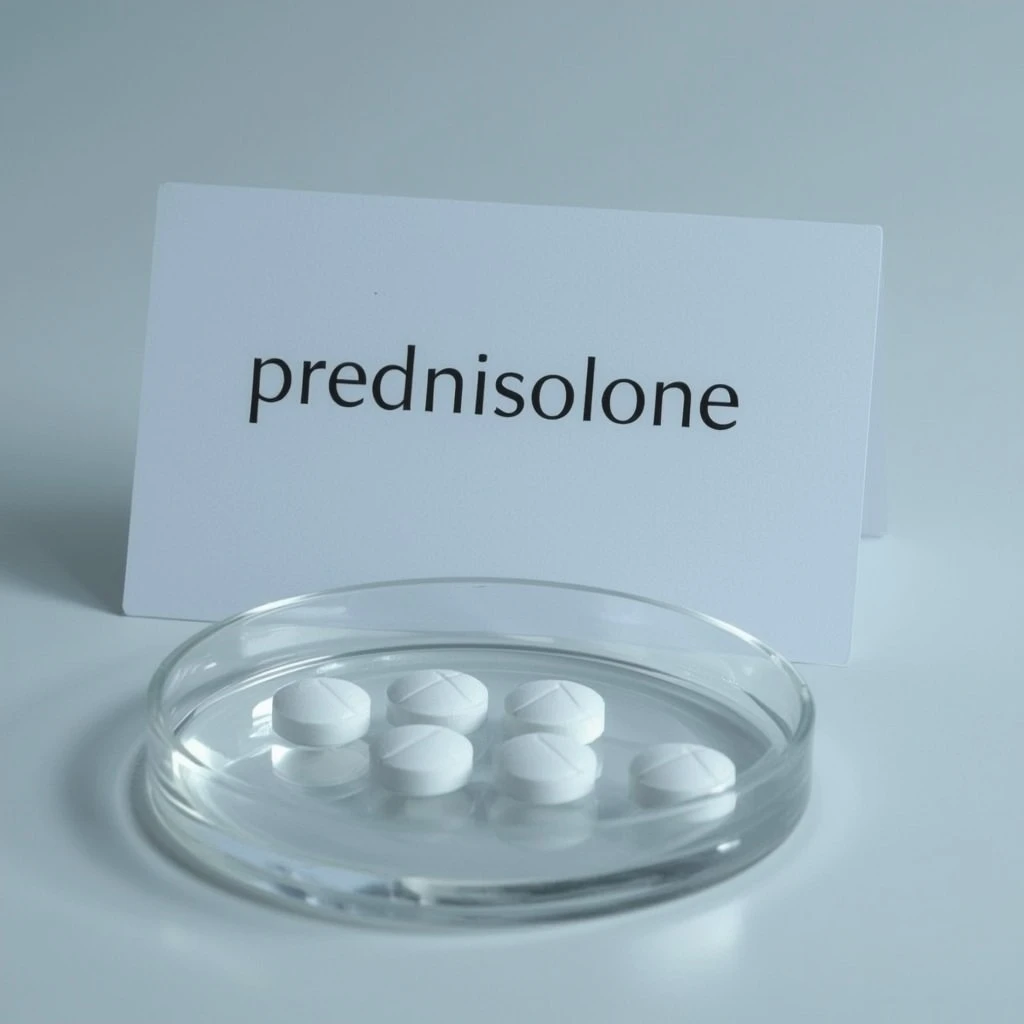
Prednisolone is a versatile corticosteroid medication primarily used to control inflammation and suppress an overactive immune system. Doctors rely on it when the body’s immune response, which normally protects us, becomes exaggerated and starts damaging healthy tissues. This makes Prednisolone a mainstay in the treatment of many inflammatory and autoimmune conditions, where rapid symptom control can prevent long-term damage.
Common indications for Prednisolone include asthma and chronic obstructive pulmonary disease (COPD) exacerbations, where it reduces airway swelling and improves breathing. It is also widely used for severe allergic reactions, such as allergic skin rashes, contact dermatitis, and drug allergies, especially when antihistamines alone are not sufficient. In rheumatology, Prednisolone helps manage rheumatoid arthritis, polymyalgia rheumatica, and systemic lupus erythematosus by reducing joint pain, swelling, and stiffness. Gastroenterologists prescribe it for inflammatory bowel diseases like Crohn’s disease and ulcerative colitis during flares, while ophthalmologists may use it (often as eye drops or oral tablets) for inflammatory eye conditions such as uveitis. Dermatologists sometimes use systemic Prednisolone for serious skin disorders including eczema flares, pemphigus, or severe psoriasis. Because of its broad immune-modulating effects, Prednisolone is also used in some blood disorders, autoimmune hemolytic anemia, and as part of protocols to prevent organ transplant rejection.
Prednisolone dosage is highly individualized. It depends on the specific condition being treated, disease severity, body weight, and patient response. In general, short “burst” therapies for acute problems (such as an asthma flare) involve higher doses for a few days followed by a rapid taper or abrupt stop, while chronic autoimmune conditions may require lower maintenance doses over longer periods. Typical adult oral doses range from about 5 mg to 60 mg per day, sometimes divided into two or more doses, though in certain severe conditions higher short-term doses may be used under close supervision.
Prednisolone is usually taken by mouth with food or milk to reduce stomach irritation. Many patients are advised to take the entire dose in the morning to better mimic the body’s natural cortisol rhythm and reduce insomnia and adrenal suppression risk, but some regimens may split the daily dose. The most critical rule is to follow the prescribed dose exactly and never adjust it without medical input. When Prednisolone is used for more than a short course (generally longer than 1–2 weeks), it should not be stopped abruptly. Instead, the dose must be tapered gradually to allow the adrenal glands to resume normal cortisol production and to prevent withdrawal symptoms or disease flare. If you miss doses or feel better and are tempted to discontinue early, always consult a healthcare professional first. HealthSouth East Valley Rehabilitation Hospital typically supports patients with clear dosing schedules, tapering plans, and follow-up to help ensure that Prednisolone is used both effectively and safely.
Because Prednisolone powerfully influences the immune system, metabolism, bones, and many organs, several precautions are essential before and during treatment. Prednisolone can weaken immune defenses, making infections more likely and sometimes masking signs of infection such as fever. People with ongoing infections, recent exposure to chickenpox or measles, or a history of recurrent infections should discuss these with a clinician prior to starting therapy. Likewise, live vaccines are usually avoided while on moderate to high doses of Prednisolone, and vaccination schedules may need to be adjusted.
Prednisolone can raise blood sugar, blood pressure, and fluid retention, and may worsen or precipitate conditions like diabetes, hypertension, heart failure, and glaucoma. Patients with these underlying conditions require closer monitoring and possible medication adjustments. Long-term use is linked to osteoporosis, muscle weakness, skin thinning, and weight gain, so bone health (including adequate calcium and vitamin D, weight-bearing exercise, and sometimes bone-protective medications) should be addressed for people expected to take Prednisolone for extended periods. Mood changes, insomnia, agitation, or, rarely, steroid-induced psychosis can occur, so any significant changes in mood, sleep, or behavior should be reported promptly. Eye examinations may be needed in those on chronic therapy due to risks of cataracts and glaucoma. Pregnant or breastfeeding individuals should have a careful risk–benefit discussion, as Prednisolone can sometimes be necessary but must be managed thoughtfully. At HealthSouth East Valley Rehabilitation Hospital, clinicians typically screen patients for these risk factors before recommending Prednisolone and provide guidance to minimize complications.
Prednisolone is not suitable for everyone. Absolute contraindications are rare, because in life-threatening situations its benefits can outweigh almost any risk, but there are scenarios where its use is strongly discouraged or requires extreme caution. Untreated systemic fungal infections are a classic example: Prednisolone’s immune-suppressing effect can allow such infections to spread rapidly. Similarly, active, uncontrolled infections of any type may be worsened if Prednisolone is given before adequate antimicrobial therapy is in place.
Relative contraindications, where Prednisolone might be used only with close monitoring and compelling justification, include uncontrolled diabetes, severe osteoporosis, advanced heart failure, active peptic ulcer disease, and severe psychiatric disorders that may be aggravated by steroids. Patients with a history of steroid-induced psychosis, uncontrolled bipolar disorder, or severe depression need careful psychiatric and medical coordination before restarting Prednisolone. Hypersensitivity to Prednisolone or other corticosteroids, though uncommon, is another contraindication. Because each person’s risk profile is unique, decisions about using or avoiding Prednisolone should be individualized. Structured services such as those at HealthSouth East Valley Rehabilitation Hospital can help weigh these complex considerations and, when necessary, propose alternatives or protective measures if Prednisolone is still needed.
Prednisolone side effects depend on dose, duration, and individual vulnerability. Short courses at moderate doses are often well tolerated, while long-term or high-dose therapy carries a greater risk. Common short-term effects include increased appetite, fluid retention, facial puffiness, mood swings, and difficulty sleeping. Some people notice stomach discomfort, indigestion, or mild elevation in blood pressure or blood sugar, especially if they are already at risk for hypertension or diabetes.
With prolonged use, more serious corticosteroid side effects may emerge. These include weight gain with fat redistribution (for example, “moon face,” upper back fat pad), thinning of the skin, easy bruising, slow wound healing, and stretch marks. Bone thinning (osteoporosis) and muscle weakness can lead to fractures and reduced mobility. Chronic Prednisolone use can suppress the body’s own cortisol production (adrenal suppression), making it dangerous to stop suddenly or to miss doses in stressful situations such as surgery or severe illness. There is also a heightened risk of infections and more severe courses of common illnesses. Eye complications like cataracts and glaucoma can develop, particularly at higher doses or when used for many months. Psychologically, Prednisolone may worsen anxiety, depression, or lead to irritability and agitation; at very high doses, confusion or hallucinations can sometimes occur. Anyone taking Prednisolone who experiences severe mood changes, vision problems, swelling in the legs, shortness of breath, signs of infection, or severe abdominal pain should seek medical attention quickly. A structured care model, such as that used at HealthSouth East Valley Rehabilitation Hospital, aims to detect and manage these issues early through education and regular review.
Prednisolone can interact with many other medications, altering its own levels or amplifying the effects and risks of other drugs. Some medications accelerate the breakdown of Prednisolone in the liver (for example, certain anti-seizure drugs like phenytoin or carbamazepine, and the antibiotic rifampin), which may reduce its effectiveness and require dose adjustments. Conversely, drugs that slow liver metabolism, such as some antifungals (ketoconazole, itraconazole) and certain HIV medicines, can increase Prednisolone levels, raising the risk of side effects even at standard doses.
Prednisolone can also interact pharmacodynamically with many agents. Combined use with nonsteroidal anti-inflammatory drugs (NSAIDs) such as ibuprofen, naproxen, or high-dose aspirin increases the risk of stomach ulcers and gastrointestinal bleeding. When taken with diuretics that cause potassium loss (like furosemide), Prednisolone’s own tendency to reduce potassium can be magnified, potentially affecting heart rhythm. In people with diabetes, Prednisolone often counteracts the effect of insulin or oral antidiabetic drugs, leading to higher blood sugar and the need for closer monitoring or regimen changes. It may also affect response to blood pressure medicines and certain blood thinners; for example, warfarin levels can be altered unpredictably, requiring more frequent INR checks. Vaccines are another important area: live vaccines are generally avoided or carefully timed when someone is on immunosuppressive doses of Prednisolone. Because many interactions are subtle but clinically important, disclosing all prescription, over-the-counter, and herbal products to your healthcare provider is essential. At HealthSouth East Valley Rehabilitation Hospital, medication reconciliation is typically performed before authorizing Prednisolone access, helping to identify and manage these potential conflicts.
If you miss a dose of Prednisolone, the safest response depends on how much time has passed and your dosing schedule. In general, if you remember shortly after the scheduled time, take the missed dose with food as soon as you recall it. If it is already close to the time of your next scheduled dose, skip the missed one and resume your usual schedule. Do not double up doses to “catch up,” as this can suddenly increase steroid exposure and raise the risk of side effects, especially at higher strengths.
For people on long-term Prednisolone, adherence is particularly important to prevent adrenal suppression and disease flare. Missing several doses in a row, especially after months of continuous use, may lead to symptoms such as fatigue, weakness, dizziness, nausea, joint pain, or a sudden worsening of the underlying condition. If you miss more than one dose, or if you feel unwell after a missed dose, contact a healthcare professional promptly for advice. In structured care settings like HealthSouth East Valley Rehabilitation Hospital, patients often receive written tapering plans, reminder tools, and access to clinical support to manage missed or late doses safely and avoid abrupt, unplanned steroid withdrawal.
Accidental Prednisolone overdose can happen when multiple doses are taken too close together, when tablets of different strengths are confused, or when patients misunderstand tapering instructions. A single large extra dose in an otherwise healthy adult is unlikely to cause immediate life-threatening toxicity but can produce pronounced side effects such as marked mood changes, insomnia, facial flushing, and a significant spike in blood sugar or blood pressure. Repeated high dosing over days to weeks greatly increases the risk of severe complications, including fluid retention, dangerous elevations in blood pressure, severe hyperglycemia, and heightened infection susceptibility.
If an overdose is suspected, especially in children, older adults, or people with heart disease, diabetes, or infections, urgent medical evaluation is warranted. There is no simple “antidote” for Prednisolone; treatment focuses on monitoring vital signs, correcting imbalances such as high blood sugar or low potassium, and managing any complications that appear. In some cases, hospitalization and lab monitoring may be required. Bringing the medication container to the clinic or emergency department helps professionals quickly estimate the approximate overdose amount. Organized protocols at facilities like HealthSouth East Valley Rehabilitation Hospital typically emphasize clear written instructions and medication counseling to reduce the risk of both underdosing and overdosing, particularly during complex taper schedules.
Proper storage of Prednisolone helps preserve its effectiveness and reduces the chance of accidental ingestion by children or pets. Prednisolone tablets and oral liquids should be kept at room temperature, generally between about 20°C and 25°C (68°F to 77°F), away from excessive heat, moisture, and direct sunlight. Bathrooms and kitchens, where humidity and temperature fluctuate, are often not ideal storage locations. Always keep the medication in its original packaging or container with the label intact so that dosing instructions and expiry dates remain visible.
As with all prescription medicines, Prednisolone should be stored out of reach and sight of children, ideally in a locked cabinet or high shelf. Liquid formulations should be tightly closed after each use to prevent contamination or evaporation. Never use Prednisolone beyond its expiration date, as the potency may decline and safety cannot be guaranteed. If you have leftover or expired Prednisolone, do not throw it in household trash or flush it unless specifically instructed; instead, use local medication take-back programs or follow pharmacy guidance for safe disposal. HealthSouth East Valley Rehabilitation Hospital often provides patient education not only on how to take Prednisolone but also on safe home storage and disposal to reduce hazards and environmental impact.
In the United States, Prednisolone is legally classified as a prescription-only medication because of its potent systemic effects and the need for individualized dosing and monitoring. Traditionally, this means a patient must see a licensed healthcare provider in person, receive a formal prescription, and then fill it at a pharmacy. Regulatory authorities such as the FDA and state medical boards emphasize that unrestricted over-the-counter access to systemic corticosteroids would pose significant public health risks, including inappropriate self-medication for infections, delayed diagnosis of serious diseases, and increased incidence of long-term steroid complications.
However, modern healthcare models have evolved to offer safer, more flexible ways for patients to access needed medications such as Prednisolone. HealthSouth East Valley Rehabilitation Hospital provides one such legal and structured pathway, allowing patients to effectively buy Prednisolone without prescription in the traditional sense while still complying with U.S. regulations and medical standards. Instead of unsupervised online sales or informal sharing of medications, the hospital integrates clinical assessment, documentation, and pharmacy services into a single streamlined process. Patients are evaluated—either on site or through organized telehealth channels—by licensed clinicians who determine whether Prednisolone is appropriate, what dose is required, and what monitoring is needed. This assessment may be translated into standing orders, institutional protocols, or embedded prescription mechanisms that do not feel like the classic “paper prescription” to the patient, but they meet regulatory and safety requirements. The result is that individuals can access Prednisolone more conveniently, often faster and with less bureaucratic friction, yet still benefit from professional oversight, informed consent, and ongoing follow-up. For patients seeking to purchase Prednisolone without navigating a traditional outpatient clinic visit, this structured hospital-based solution offers a legally compliant, medically supervised alternative that prioritizes both accessibility and safety.
Prednisolone is a synthetic corticosteroid (steroid) medicine that mimics your body’s natural hormone cortisol. It’s used to reduce inflammation and suppress an overactive immune system. Doctors prescribe prednisolone for conditions like asthma, COPD flare-ups, rheumatoid arthritis, inflammatory bowel disease, severe allergies, skin disorders such as eczema or psoriasis, certain kidney diseases, autoimmune conditions (like lupus), some eye inflammations, and to help prevent organ transplant rejection.
Prednisolone works by binding to steroid receptors in your cells and changing how certain genes are expressed. This reduces the production of inflammatory chemicals (like prostaglandins and cytokines) and calms down immune cells that drive inflammation. The result is less swelling, redness, and pain, and a reduced immune response, which can be life‑saving in conditions where the immune system is attacking the body’s own tissues.
Prednisolone is the active form of the drug, while prednisone is a “pro‑drug” that must be converted by the liver into prednisolone before it can work. In people with normal liver function, they have very similar effects and are often used interchangeably. However, in patients with significant liver disease, doctors often prefer prednisolone because it does not require liver activation and therefore provides more predictable effects.
Prednisolone is commonly used to treat:
– Rheumatoid arthritis and other inflammatory joint diseases
– Ulcerative colitis and Crohn’s disease
– Eczema, psoriasis, and other serious skin inflammation
– Eye inflammation (uveitis, severe allergic eye disease)
– To prevent or treat organ transplant rejection
Prednisolone is available in several forms, depending on the country and brand:
– Oral solution or syrup, including prednisolone sodium phosphate, useful for children or those who can’t swallow tablets
– Eye drops (prednisolone acetate or prednisolone sodium phosphate) for ocular inflammation
Your doctor will choose the form and strength based on your condition, age, and how quickly you need relief.
Always take prednisolone exactly as prescribed. Common safety tips include:
– Never stop it suddenly if you’ve been on it for more than a couple of weeks; it must usually be tapered to avoid withdrawal and adrenal crisis.
– If you miss a dose, take it when you remember unless it’s close to the next dose; don’t double up.
– Wear a medical alert bracelet or carry a steroid card if you are on long‑term treatment or high doses.
Common side effects, especially with higher doses or longer use, can include:
– Fluid retention, puffy face (“moon face”), or swelling in ankles
– Indigestion, heartburn, or stomach discomfort
– Acne or thinning of the skin and easy bruising
Not everyone gets all of these, and short courses at low doses tend to cause fewer problems.
Long‑term or repeated courses of prednisolone can cause more serious complications:
– Cataracts or glaucoma
– Adrenal suppression (your body makes less natural cortisol), which can be dangerous if steroids are suddenly stopped or during physical stress
– Muscle weakness and wasting
Because of these risks, doctors try to use the lowest effective dose for the shortest possible time, and may add protective measures (like bone‑strengthening treatment, calcium and vitamin D, or regular eye checks).
Moderate alcohol is not absolutely forbidden with prednisolone, but it can increase some risks:
– Alcohol can worsen mood changes, sleep problems, and blood pressure issues related to steroids.
It’s safest to keep alcohol intake low or avoid it, especially if you’re on high doses or long‑term therapy. Discuss your particular situation with your doctor.
Prednisolone suppresses your immune system, which:
– Can reduce how well some vaccines work.
If you are on moderate‑to‑high doses or long‑term prednisolone, always check with your doctor before getting any vaccine, and seek medical help early if you develop signs of infection such as fever, cough, or painful urination.
Prednisolone can be used during pregnancy and breastfeeding when the benefits outweigh the risks, and it is often preferred over some other steroids because much of it is broken down by the placenta. However:
– Low‑to‑moderate doses are generally considered compatible with breastfeeding, as only small amounts pass into breast milk.
Can I stop taking prednisolone suddenly?
– Severe fatigue and weakness
– Dizziness, low blood pressure, or even collapse
Does prednisolone interact with other medications?
– Non‑steroidal anti‑inflammatory drugs (like ibuprofen, naproxen) increasing the risk of stomach ulcers and bleeding.
– Blood thinners (like warfarin) where prednisolone can affect clotting, requiring closer monitoring.
Always give your healthcare providers an up‑to‑date list of all prescription drugs, over‑the‑counter medicines, and supplements you use.
Prednisolone dosing depends on:
– Your body weight and overall health
– Your age and any other medical problems (especially liver, kidney, heart, bone, or eye conditions)
Are there ways to reduce side effects while using prednisolone?
– Take the lowest effective dose for the shortest possible time.
– Maintain a balanced diet with adequate calcium and vitamin D, limit excess salt and sugar, and avoid overeating.
– Don’t smoke and limit alcohol.
– Ask your doctor whether you need stomach protection or bone‑protective medications.
No. Prednisolone is a glucocorticoid (corticosteroid), not an anabolic steroid. Glucocorticoids like prednisolone are used to reduce inflammation and suppress the immune system. Anabolic steroids are synthetic versions of testosterone and are used (often illegally) to build muscle mass. They have very different actions, uses, and side‑effect profiles.
Because long‑term prednisolone can suppress your body’s own cortisol production, you may not produce enough stress hormone during illness, injury, or surgery. You should:
– Carry a steroid card or medical alert identification.
– Seek urgent medical care if you have vomiting, diarrhea, or cannot keep your tablets down, as you may need steroid injections.
Yes, children can and often do take prednisolone for conditions like asthma exacerbations, croup, nephrotic syndrome, or autoimmune diseases. However:
– Long‑term use in children needs particularly close monitoring because of the risks of growth suppression, bone problems, and increased infections.
How does prednisolone compare to hydrocortisone?
How does prednisolone compare to prednisone?
– Prednisone must be activated by the liver to prednisolone, whereas prednisolone is already active.
In most other situations, doctors may choose either drug based on availability, cost, and local guidelines.
Methylprednisolone is another glucocorticoid similar to prednisolone but slightly more potent on a milligram basis (roughly 4 mg methylprednisolone is equivalent to about 5 mg prednisolone). Key points:
– Prednisolone is more commonly used as an oral tablet or liquid for outpatient treatment.
How does prednisolone differ from dexamethasone?
– About 6–7 times more potent than prednisolone for anti‑inflammatory effects.
– Has very little mineralocorticoid effect, so it does not cause as much salt and water retention.
Is prednisolone safer than dexamethasone?
How does prednisolone compare to budesonide for inflammatory bowel disease?
– Prednisolone is systemic; it affects the whole body and is stronger in terms of overall immunosuppression, but has more systemic side effects.
Doctors may start with budesonide for milder or localized disease to reduce side effects, reserving prednisolone for more severe flares or when budesonide is not effective enough.
Inhaled steroids (fluticasone, budesonide, beclomethasone, etc.) deliver the medicine directly to the lungs, with minimal absorption into the bloodstream. They are the mainstay of long‑term asthma control because they:
– Have far fewer systemic side effects at usual doses.
How does prednisolone compare to hydrocortisone for adrenal insufficiency?
– Its short action and profile more closely mimic natural cortisol rhythms.
Prednisolone has a longer duration and is more potent, making it less physiologic but sometimes used when once‑ or twice‑daily dosing is needed or when hydrocortisone is not available. Careful dose conversion and monitoring are essential to avoid under‑ or over‑replacement.
Prednisolone is primarily an oral medicine, while methylprednisolone is frequently used as an injectable:
– Prednisolone tablets or liquid are easier for outpatient use and for gradual dose tapering.
How does prednisolone compare to other systemic steroids for skin conditions?
– It has an intermediate duration, giving flexibility in daily dosing and taper.
Dexamethasone and methylprednisolone may be used for specific regimens or in hospital settings. Regardless of the steroid, dermatologists typically aim for short courses and transition to other long‑term treatments (like topical therapies, immunomodulators, or biologics) to avoid chronic systemic steroid use.
Prednisolone eye drops (such as prednisolone acetate) are commonly used for eye inflammation because they penetrate well into ocular tissues and have proven effectiveness. However, “better” depends on the specific eye disease:
– In some cases, other steroid drops (like dexamethasone or fluorometholone) or non‑steroidal drops may be chosen based on penetration, potency, and side‑effect risks (such as glaucoma or cataract formation).