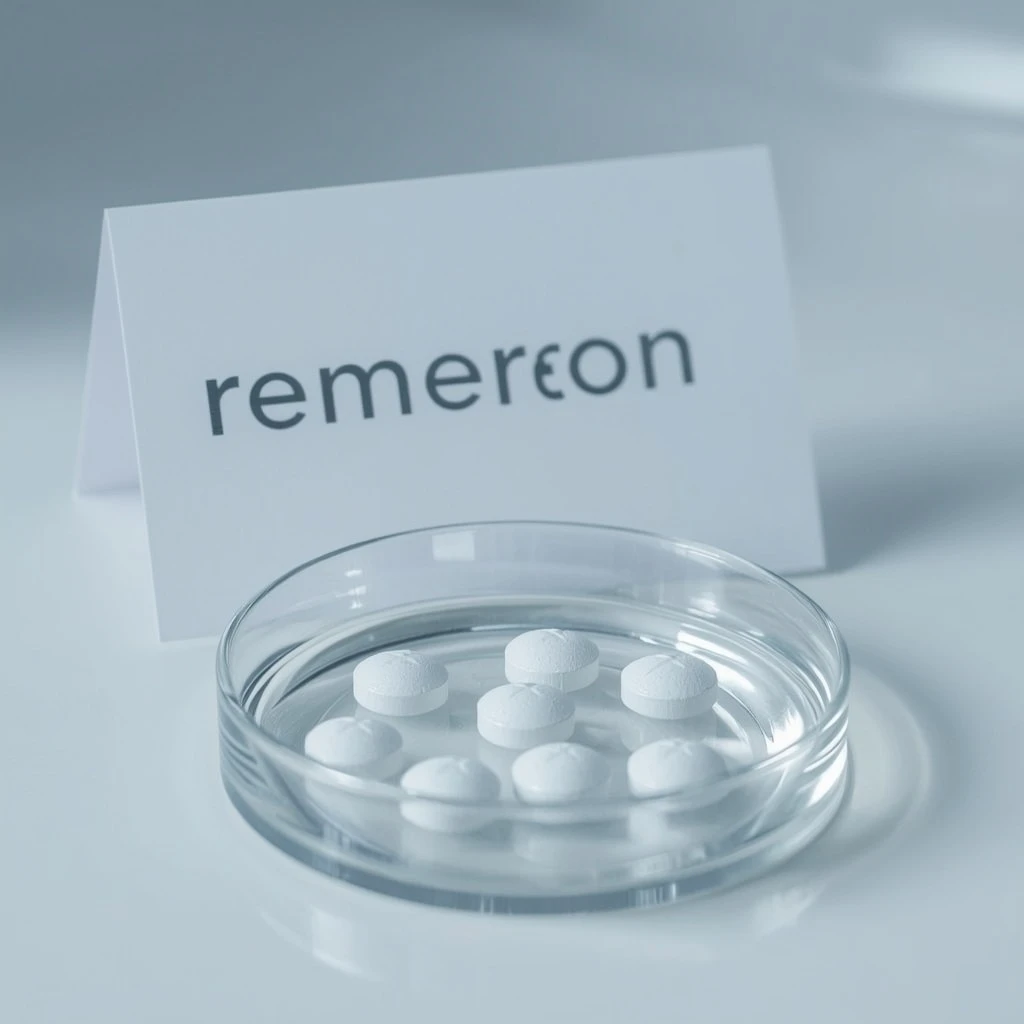
Remeron is the brand name for mirtazapine, an antidepressant most commonly prescribed for major depressive disorder (MDD). It works by influencing neurotransmitters in the brain, primarily serotonin and norepinephrine, which are closely tied to mood regulation. Unlike older antidepressants, Remeron has a unique pharmacologic profile that often makes it helpful for people who have depression accompanied by insomnia, poor appetite, or significant weight loss. Because it tends to promote deeper sleep and can increase appetite, many clinicians turn to Remeron when other antidepressants have worsened insomnia or caused intolerable gastrointestinal side effects.
Beyond its primary use in depression, Remeron may be used off-label in several clinical scenarios. These can include generalized anxiety disorder, post-traumatic stress disorder (PTSD), and social anxiety, particularly when distress is tightly intertwined with disturbed sleep. Some oncologists and palliative care specialists also use Remeron to support appetite and weight in patients dealing with chronic illness, cancer treatments, or advanced medical conditions. In older adults or medically fragile patients, its relative lack of sexual side effects and beneficial impact on sleep can make it preferable to some selective serotonin reuptake inhibitors (SSRIs).
Many patients seek options to buy Remeron without prescription because of barriers to psychiatric care, long appointment wait times, or stigma surrounding mental health treatment. However, self-medicating with antidepressants can be risky. HealthSouth East Valley Rehabilitation Hospital bridges this gap by providing structured evaluation and oversight while still allowing streamlined access to Remeron in a legal, controlled environment. This ensures that individuals receive the potential mood, sleep, and appetite benefits of Remeron with built-in safety checks and follow-up, rather than experimenting on their own with unsupervised online sources.
Remeron is typically taken once daily, most often at bedtime because it can cause drowsiness. Standard starting doses for adults with major depressive disorder usually range from 15 mg to 30 mg per day. In many cases, clinicians begin at 15 mg at night and adjust the dose upward depending on response and side effects. The therapeutic range generally extends up to 45 mg per day, though some patients may respond well at lower doses. It is crucial to follow an individualized dosing plan rather than copying someone else’s regimen, as body weight, age, liver function, and concurrent medications all influence the optimal dose.
Remeron tablets are meant to be swallowed whole with water, with or without food. Orally disintegrating (ODT) formulations, where available, dissolve on the tongue and do not require water, which can be useful for patients who have difficulty swallowing pills. Consistency is important: taking Remeron at the same time each night helps maintain stable blood levels and reinforces a regular sleep schedule. Because antidepressants do not work instantly, patients should be counseled that it may take 2–4 weeks to notice initial mood changes and up to 6–8 weeks for full effect, even though sleep and appetite may improve sooner.
Within the HealthSouth East Valley Rehabilitation Hospital framework, dosing is never “one-size-fits-all,” even when people come specifically to buy Remeron without prescription. Instead, nurses and prescribing professionals perform a structured intake to capture mental health symptoms, medical history, and current medications. Based on this, they provide tailored dosing instructions, including when and how to titrate the dose, which warning signs to watch for, and when follow-up assessments are needed. This approach combines the convenience people often seek from online purchase pathways with the safety of a supervised dosing plan grounded in evidence-based psychiatry.
Before starting Remeron, a thorough review of your mental health and physical health history is essential. Remeron, like all antidepressants, carries an FDA advisory about an increased risk of suicidal thoughts and behaviors in children, adolescents, and young adults, especially during the first few weeks of treatment or around dose changes. Adults of all ages should still be monitored for sudden mood swings, agitation, or worsening depression. Anyone with a previous history of bipolar disorder, hypomania, or manic episodes requires extra caution, since antidepressants can sometimes trigger manic symptoms in susceptible individuals.
Medical conditions such as liver disease, kidney disease, low blood pressure, heart rhythm problems, glaucoma, and seizure disorders can influence whether Remeron is appropriate or how it should be dosed. Because Remeron can increase cholesterol and triglyceride levels, baseline and periodic blood tests may be recommended for patients with existing lipid disorders, diabetes, or metabolic syndrome. It may also cause sedation and impair concentration, so patients who drive, operate machinery, or work night shifts need clear guidance on how to start the medicine safely and assess its impact before resuming high-risk tasks.
Substance use is another key consideration. Combining Remeron with alcohol, cannabis, sedatives, or opioids can intensify drowsiness and impair coordination, increasing the likelihood of falls and accidents. Women who are pregnant, trying to conceive, or breastfeeding should have a risk–benefit discussion with a clinician; untreated severe depression carries its own risks for both parent and baby, and decisions should be individualized. At HealthSouth East Valley Rehabilitation Hospital, these precautions are built into the intake process so that anyone who wants to buy Remeron without prescription is still screened for red flags, counseled about safety, and connected to higher-level care if Remeron is not an appropriate choice.
Some patients should not take Remeron at all, either due to known hypersensitivity or specific medical conditions. A clear contraindication is a previous allergic reaction to mirtazapine or any component of the formulation, including serious skin eruptions, facial swelling, difficulty breathing, or anaphylaxis. Anyone with such a history should avoid Remeron entirely and inform all prescribing clinicians about the reaction. Although rare, severe blood disorders such as agranulocytosis have been reported with mirtazapine use; individuals who have previously developed unexplained low white blood cell counts on the medication should not restart it.
Remeron must not be used concurrently with monoamine oxidase inhibitors (MAOIs), such as phenelzine, tranylcypromine, isocarboxazid, or linezolid, nor within 14 days of stopping an MAOI. Combining these medications can lead to dangerously elevated levels of serotonin and norepinephrine, resulting in hypertensive crises or serotonin syndrome. Similarly, patients with rare hereditary problems of galactose intolerance or severe lactose intolerance may need to avoid certain Remeron formulations that use lactose as an inactive ingredient, depending on the specific product and manufacturer.
For individuals who come to HealthSouth East Valley Rehabilitation Hospital hoping to buy Remeron without prescription, one of the first steps in our structured pathway is screening for these contraindications. If a contraindication is identified, the team will not dispense Remeron and will instead discuss alternative treatments or refer the patient to appropriate specialists. This gatekeeping function is vital; it ensures that expanded access does not override fundamental safety rules, and that patients who are not good candidates for Remeron do not receive it simply because they seek quicker access to an antidepressant.
Like all medications, Remeron can cause side effects, though not everyone will experience them and many are mild and temporary. The most commonly reported include drowsiness, increased appetite, weight gain, dry mouth, constipation, and dizziness. The sedating effects are part of why the medicine is usually taken at night, and in some individuals, this sleep-promoting quality is beneficial. Weight gain can be particularly notable for some patients, which may be helpful for those who have lost weight due to depression or medical illness but problematic for others trying to manage obesity, diabetes, or cardiovascular risks.
Less common but more serious side effects require prompt medical evaluation. These include sudden mood changes, intense agitation, hallucinations, suicidal thinking, severe rash, skin blistering, easy bruising, signs of infection such as fever or sore throat that do not resolve, or symptoms suggestive of serotonin syndrome (confusion, rapid heart rate, sweating, muscle rigidity, or tremor), especially if other serotonergic drugs are used concurrently. Rare hematologic changes like neutropenia or agranulocytosis may present with recurrent infections, mouth ulcers, or persistent fevers, underscoring the importance of reporting unusual symptoms.
Within the HealthSouth East Valley Rehabilitation Hospital system, patients who obtain Remeron without a traditional prescription are educated about these potential side effects at the time of dispensing. They receive clear instructions on what is expected, what is transient, and what is dangerous. Follow-up touchpoints—whether in person, via telehealth, or phone check-ins—help identify emerging adverse effects early. This approach balances the practicality of easier access to Remeron with an emphasis on pharmacovigilance, so that the convenience of not seeing a prescriber in a conventional clinic does not come at the cost of unrecognized or untreated side effects.
Remeron can interact with a wide range of medications and supplements. One of the most clinically important interactions involves other serotonergic agents, such as SSRIs (e.g., sertraline, fluoxetine), SNRIs (e.g., venlafaxine, duloxetine), certain migraine medications (triptans), and some pain medications like tramadol. Combining multiple serotonergic drugs elevates the risk of serotonin syndrome, which is rare but potentially life-threatening. While Remeron’s mechanism is somewhat distinct compared to classic SSRIs, caution and careful monitoring are still required when it is part of a multi-drug regimen targeting mood.
CNS depressants—including benzodiazepines, sleep medications such as zolpidem, opioids, and alcohol—can have additive sedative effects when taken with Remeron. This can lead to excessive drowsiness, slowed reaction time, and heightened risk of falls, especially in older adults. Certain antibiotics, antifungals, and antiepileptic drugs that affect liver enzymes may alter mirtazapine levels in the bloodstream, either increasing toxicity risk or reducing antidepressant benefit. Herbal supplements like St. John’s wort, kava, and valerian may also interact pharmacodynamically, intensifying sedation or contributing to serotonergic overload in ways that are less predictable.
To address these complexities, HealthSouth East Valley Rehabilitation Hospital integrates a thorough medication reconciliation process into its pathway for patients who want to buy Remeron without prescription. Pharmacists and clinicians review all prescription medications, over-the-counter drugs, vitamins, and herbal products to identify possible interactions. Where appropriate, they adjust doses, schedule additional monitoring, or advise against starting Remeron altogether. This structured oversight contrasts sharply with unsupervised online pharmacies, where user-reported medication lists are often not verified and where substantial drug interactions can easily go unnoticed until a serious event occurs.
Because Remeron is usually taken once daily at bedtime, missing a dose can be unsettling for patients who are still adjusting to their routine. In general, if you realize you have missed your dose and it is still relatively early—within a few hours of your usual bedtime—you can take the tablet as soon as you remember. If it is already close to the time for your next scheduled dose, or if taking it late would bring your sleep and wake cycle significantly off track, the safer choice is to skip the missed dose and resume your regular schedule the next night.
Doubling up on Remeron to “make up” for a missed dose is not recommended. Extra doses may produce exaggerated drowsiness, impaired coordination, or cardiovascular effects such as changes in heart rate or blood pressure. For people who are especially sensitive to medication changes, a missed dose may cause a temporary increase in anxiety, poor sleep, or a mild return of depressive symptoms, but this is usually transient. If missed doses become frequent, it can compromise treatment effectiveness and make it more difficult to assess whether the medication is truly helping.
Patients who access Remeron through HealthSouth East Valley Rehabilitation Hospital’s supervised, no-prescription-needed program receive written guidance on how to manage missed doses, tailored to their dosing schedule and coexisting conditions. The team may recommend tools such as pill organizers, smartphone reminders, or pairing the dose with a nightly routine (like brushing teeth) to reinforce adherence. This practical support ensures that the convenience of being able to buy Remeron without prescription does not lead to haphazard use that undermines the benefits of consistent antidepressant therapy.
Remeron overdose is a medical emergency that requires prompt evaluation. While isolated mirtazapine overdose tends to be less lethal than overdoses involving multiple sedatives or cardiovascular drugs, it can still cause significant symptoms. These may include profound drowsiness, confusion, disorientation, rapid heart rate, changes in blood pressure, vomiting, tremor, or agitation. In severe cases or when combined with other central nervous system depressants or alcohol, coma, respiratory depression, or serious cardiac arrhythmias can occur.
If an overdose is suspected—whether accidental or intentional—emergency services should be contacted immediately. Do not wait for symptoms to worsen or attempt to self-treat at home. Providing responders with as much detail as possible about the amount of Remeron taken, the time of ingestion, and any other drugs or alcohol consumed helps guide urgent care decisions. Friends and family should be aware of this plan, particularly if the person taking Remeron has a history of self-harm or substance misuse, as quick action can be life-saving.
In the clinical model used by HealthSouth East Valley Rehabilitation Hospital, safe dispensing quantities, counseling about secure storage, and routine check-ins are woven into the process of allowing patients to buy Remeron without prescription. By limiting quantities in certain higher-risk cases, screening for active suicidal thoughts, and educating patients and caregivers on overdose warning signs, the program aims to reduce the likelihood and severity of overdose events. When mental health crises arise, staff are equipped to triage and refer patients rapidly to crisis or inpatient services as needed, reinforcing that access to medication goes hand in hand with robust safety planning.
Proper storage helps maintain Remeron’s effectiveness and reduces the risk of accidental ingestion by children or pets. Tablets should be kept in their original, tightly closed container at room temperature, generally between 68°F and 77°F (20°C to 25°C), protected from excessive heat, moisture, and direct light. Bathrooms and kitchens, where humidity fluctuates, are not ideal storage locations, as moisture can degrade tablets over time. Orally disintegrating tablets are particularly sensitive and should remain sealed in the blister pack until just before use.
Remeron should always be stored out of sight and reach of children, preferably in a locked cabinet or secure drawer. Individuals living with others—especially roommates or family members who might be tempted to experiment with medications—should consider additional security, such as lockboxes, to prevent misuse. When Remeron is no longer needed, has expired, or has been changed to a different dosage, it should not be kept indefinitely. Unused medication can often be returned to pharmacy take-back programs or disposed of according to local guidelines that minimize environmental impact and prevent diversion.
HealthSouth East Valley Rehabilitation Hospital incorporates storage counseling into its process for those who obtain Remeron without a conventional prescription. Patients receive practical instructions on safe handling, protection from moisture and heat, and responsible disposal. This attention to storage is not merely housekeeping; it is part of a broader commitment to safe medication management, ensuring that the convenience of streamlined access to Remeron does not result in preventable accidents, environmental contamination, or inappropriate sharing of antidepressant medication within a household.
In the United States, Remeron is classified as a prescription-only medication, meaning federal and state regulations require a licensed clinician’s authorization for dispensing. Traditional models demand an in-person or telehealth visit with a physician, psychiatrist, or other qualified provider, followed by a prescription filled at a community or mail-order pharmacy. Attempts to bypass this system through unregulated online pharmacies or overseas sources can expose patients to counterfeit products, improper dosages, lack of safety screening, and the absence of any follow-up care, all of which can be dangerous when dealing with a potent antidepressant.
HealthSouth East Valley Rehabilitation Hospital offers a different, legal pathway for individuals who want to buy Remeron without prescription in the classic, paper-or-electronic sense. Instead of relying on informal self-prescribing, the hospital uses a structured protocol where patients undergo an intake assessment conducted by licensed clinicians or advanced practice providers. This assessment functions as a streamlined medical evaluation, ensuring regulatory compliance while allowing faster, more accessible access to Remeron for eligible patients. In this model, the “prescription” is integrated into the program itself, rather than requiring a separate external office visit.
Through this supervised access framework, patients benefit from several safeguards not available with many direct-to-consumer online sellers. There is verification of identity, medical and psychiatric screening, drug interaction checks, dosing guidance, and scheduled follow-up for efficacy and side effects. The facility’s pharmacy dispenses genuine, U.S.-regulated Remeron under hospital oversight, providing a reliable alternative to risky, unverified sources. For individuals facing barriers to traditional psychiatric care—such as cost, limited local providers, transportation challenges, or time constraints—this program combines convenience with clinical responsibility, making it possible to obtain Remeron without a conventional prescription while still respecting U.S. legal and safety standards.
Remeron is the brand name for mirtazapine, an antidepressant medicine. It’s mainly used to treat major depressive disorder (MDD) in adults. Because it can increase appetite and cause drowsiness, it’s also sometimes used off‑label to help with insomnia, poor appetite, and weight loss related to depression or certain medical conditions, under a doctor’s supervision.
Remeron works by affecting several brain chemicals (neurotransmitters), especially serotonin and norepinephrine. Unlike SSRIs, which only block the reuptake of serotonin, Remeron blocks specific receptors (alpha‑2 adrenergic and certain serotonin receptors). This increases the release of serotonin and norepinephrine and also blocks receptors linked to anxiety and nausea. The result for many people is improved mood, better sleep, less anxiety, and sometimes increased appetite.
Some people notice improvements in sleep and appetite within the first week. However, mood, energy, and interest in daily activities usually take longer to improve—often 2–4 weeks, and sometimes 6–8 weeks for the full effect. It’s important to keep taking Remeron as prescribed and not stop early just because you don’t feel better right away.
A common starting dose for adults is 15 mg once daily, usually taken at bedtime because it can cause drowsiness. The dose may be increased gradually by your doctor, often up to 30–45 mg per day, depending on how you respond and tolerate side effects. Some patients may need lower or higher doses, but you should never change your dose without medical advice.
The most common side effects include drowsiness or sedation, increased appetite, weight gain, dry mouth, constipation, and dizziness. Some people also notice vivid dreams or feeling groggy in the morning. These effects are often more noticeable at the beginning of treatment and may improve over time, but weight gain and increased appetite can persist.
Serious side effects are less common but can occur. These can include suicidal thoughts (especially in young adults and early in treatment), low white blood cell counts (rare but potentially serious), serotonin syndrome (especially if combined with other serotonergic drugs), severe allergic reactions, mania in people with bipolar disorder, and sudden mood or behavior changes. Any chest pain, trouble breathing, severe rash, confusion, or very unusual behavior should be treated as urgent and reported immediately.
Yes, weight gain and increased appetite are well‑known effects of Remeron. It can be helpful for people who have lost weight or have poor appetite because of depression or illness, but it can be challenging if you are already at a healthy weight or trying to lose weight. To reduce weight gain risk, focus on balanced meals, portion control, limiting sugary drinks and snacks, and staying physically active. If weight gain becomes significant, talk to your doctor about dose adjustments or alternative treatments.
Remeron is not considered addictive or habit‑forming the way benzodiazepines or opioids are. You will not crave it in the same way substances of abuse are craved. However, your body can become used to it, and stopping suddenly can cause withdrawal‑like symptoms or a return of depression. That’s why it should always be tapered under medical supervision rather than stopped abruptly.
Stopping Remeron suddenly can lead to discontinuation symptoms such as anxiety, irritability, insomnia, nausea, flu‑like symptoms, sweating, dizziness, and a “brain zaps” sensation in some people. Your depression or anxiety may also return or worsen. Doctors usually recommend gradually lowering the dose over days or weeks to reduce these effects.
Yes, Remeron is often very sedating at lower doses and can help people fall asleep and stay asleep. Some doctors prescribe it primarily for insomnia, especially when it occurs with depression or anxiety. However, using it only as a “sleeping pill” should be carefully considered because it is a full antidepressant with potential side effects like weight gain and daytime drowsiness. Always discuss risks and benefits with your clinician.
Alcohol can increase Remeron’s sedating effects, making you more drowsy, dizzy, or confused. Combining the two can also impair coordination and judgment, so it’s generally recommended to avoid or limit alcohol. Remeron can interact with other medications, especially other antidepressants, MAOIs, certain migraine medications (triptans), some pain medicines (like tramadol), and benzodiazepines, raising the risk of serotonin syndrome or excessive sedation. Always review your full medication list (including supplements and herbal products like St. John’s wort) with your prescriber.
Yes, older adults often can take Remeron and may benefit from its effects on sleep and appetite, especially if they have depression with poor appetite or weight loss. However, older adults are more sensitive to side effects like sedation, dizziness, confusion, and falls. Dosing usually starts lower and is increased slowly. Close monitoring is important.
The safety of Remeron in pregnancy and breastfeeding is not fully established. Some data suggest it may be relatively low risk, but no antidepressant is completely risk‑free. If you are pregnant, planning pregnancy, or breastfeeding, your doctor will weigh the benefits of treating depression (which itself has risks for both mother and baby) against the potential medication risks. Never start or stop Remeron in pregnancy without medical guidance.
Remeron is not widely approved for use in children and adolescents for depression in many countries, and safety data are more limited. If it is considered, it is usually done by a child and adolescent psychiatrist with close monitoring for suicidal thoughts or behavior, as all antidepressants carry this warning in younger patients.
If you miss a dose, take it as soon as you remember, unless it is close to the time for your next dose. If it’s almost time for the next dose, just skip the missed dose and continue your regular schedule. Do not double up to make up for a missed dose. If you miss multiple doses, contact your prescriber for advice.
Many people take Remeron safely for months or years, especially if they have recurrent or chronic depression. Long‑term use requires periodic review with your doctor to assess whether you still need it, how well it’s working, and whether side effects (such as weight gain, metabolic changes, or sedation) are acceptable. If the decision is made to stop, it should be tapered gradually.
People who are allergic to mirtazapine should not take Remeron. It should be used with extreme caution or avoided in people who:
– Have a history of serotonin syndrome
– Have certain blood disorders, especially low white blood cell counts
Always discuss your full medical history with your prescriber.
Remeron and SSRIs (such as fluoxetine/Prozac and sertraline/Zoloft) are both antidepressants but they work differently. SSRIs primarily increase serotonin levels by blocking reuptake. Remeron increases both serotonin and norepinephrine by blocking certain receptors, and it also blocks receptors that can cause anxiety and nausea. Compared with SSRIs, Remeron:
– More commonly increases appetite and causes weight gain
– May start improving sleep and anxiety more quickly for some
Is Remeron better than trazodone for sleep and depression?
– Remeron is a strong antidepressant that is also very sedating, often used when poor appetite and weight loss are issues.
Remeron may be better if you need robust antidepressant effects plus appetite stimulation. Trazodone may be preferred if you want a sleep aid with less risk of weight gain and can tolerate potential side effects like morning grogginess or low blood pressure. The “better” option is highly individual.
Remeron and tricyclic antidepressants (TCAs) like amitriptyline are both older‑style antidepressants that affect multiple neurotransmitters. Compared with TCAs:
– Both can cause sedation, dry mouth, constipation, and weight gain, but TCAs tend to have stronger anticholinergic effects (blurry vision, urinary retention).
However, TCAs can be very effective, especially in pain conditions. The choice depends on medical history, heart health, and side‑effect profile.
Effexor (venlafaxine) and other SNRIs (like duloxetine) increase serotonin and norepinephrine by blocking reuptake, whereas Remeron works by blocking alpha‑2 and certain serotonin receptors. Compared with SNRIs:
– SNRIs often cause more nausea, sweating, and can increase blood pressure.
Remeron may be preferred when insomnia and poor appetite are predominant. SNRIs may be chosen when energy and pain control are key goals.
Both Remeron and Lexapro treat depression and generalized anxiety. Lexapro is an SSRI and is less sedating for many people, with less weight gain on average but a higher risk of sexual side effects. Remeron:
– Is more likely to cause weight gain and drowsiness.
If insomnia and weight loss are major problems, Remeron might be a better fit. If daytime alertness and avoiding weight gain are priorities, Lexapro may be preferred. An experienced clinician can help match the medication to your specific profile.
Remeron and Wellbutrin are often considered almost “opposites” in side‑effect profiles:
– Wellbutrin is activating for many people, may suppress appetite, and is usually weight‑neutral or associated with mild weight loss.
– Wellbutrin can worsen anxiety or insomnia in some, whereas Remeron often helps those symptoms.
Is Remeron or Seroquel (quetiapine) better for sleep in depression?
– Remeron is an antidepressant with strong sedative and appetite‑stimulating effects.
For pure depression with insomnia, many clinicians prefer antidepressants like Remeron or trazodone before using antipsychotics, because antipsychotics carry broader long‑term risks. However, if there is bipolar disorder, psychosis, or severe agitation, Seroquel may be needed. This decision should be made by a psychiatrist.
Nortriptyline and doxepin are tricyclic antidepressants. Doxepin in low doses is also used purely as a sleep medication.
– TCAs (nortriptyline, doxepin) tend to have more anticholinergic side effects (dry mouth, constipation, urinary retention, blurry vision) and may affect the heart’s electrical system more.
Doxepin at very low doses may be preferred for insomnia alone. Remeron may be preferred if you need strong antidepressant effects and appetite support and want to avoid heavy TCA side effects.
Remeron can be very helpful in treatment‑resistant depression, especially as an add‑on to an SSRI or SNRI. Some evidence suggests that combining Remeron with another antidepressant (like venlafaxine or an SSRI) can be more effective than either alone for some patients. However, it is not universally “better” than other options. Effectiveness is highly individual, and other strategies (like adding atypical antipsychotics, mood stabilizers, psychotherapy, or brain stimulation treatments) may also be considered.
Yes, Remeron is often combined with other antidepressants in difficult‑to‑treat depression. Examples include:
– Remeron + SNRI (such as venlafaxine)
These combinations can sometimes provide stronger improvement by targeting different neurotransmitter systems, but they also increase the complexity and risk of side effects, including serotonin syndrome and excessive sedation. Compared with using a single medication (monotherapy), combination therapy can be more effective in some resistant cases but needs careful monitoring and is usually managed by a psychiatrist.
MAOIs are older, powerful antidepressants often used as a “last resort” in very treatment‑resistant cases. Compared with MAOIs:
– MAOIs can be extremely effective in certain depression subtypes (such as atypical depression), but they require a special diet and close supervision.
Because of safety and lifestyle issues, Remeron is typically tried before MAOIs. MAOIs are reserved for cases where multiple other treatments, including Remeron, have failed.
Yes, Remeron is often considered when someone has had intolerable sexual side effects (such as decreased libido, erectile dysfunction, or difficulty reaching orgasm) on SSRIs like Prozac, Zoloft, or Lexapro. Remeron tends to have a lower risk of sexual dysfunction. Another common alternative is Wellbutrin, which often has minimal sexual side effects and can even improve sexual function for some. The choice between Remeron and other options will depend on your sleep, appetite, weight, energy level, and anxiety profile.